

A dismantling scaffolding risk assessment is a critical safety requirement under UK health and safety law. While scaffold erection receives significant attention, dismantling (also known as striking) often presents equal or greater risk. During dismantling, structural integrity gradually reduces as components are removed, increasing the potential for falls, collapse, and falling objects.
In the UK construction industry, proper planning, hazard identification, and control measures are essential to ensure scaffold dismantling is carried out safely and in compliance with regulations.
This guide explains legal responsibilities, common hazards, step-by-step risk assessment procedures, and best practice control measures for dismantling scaffolding.

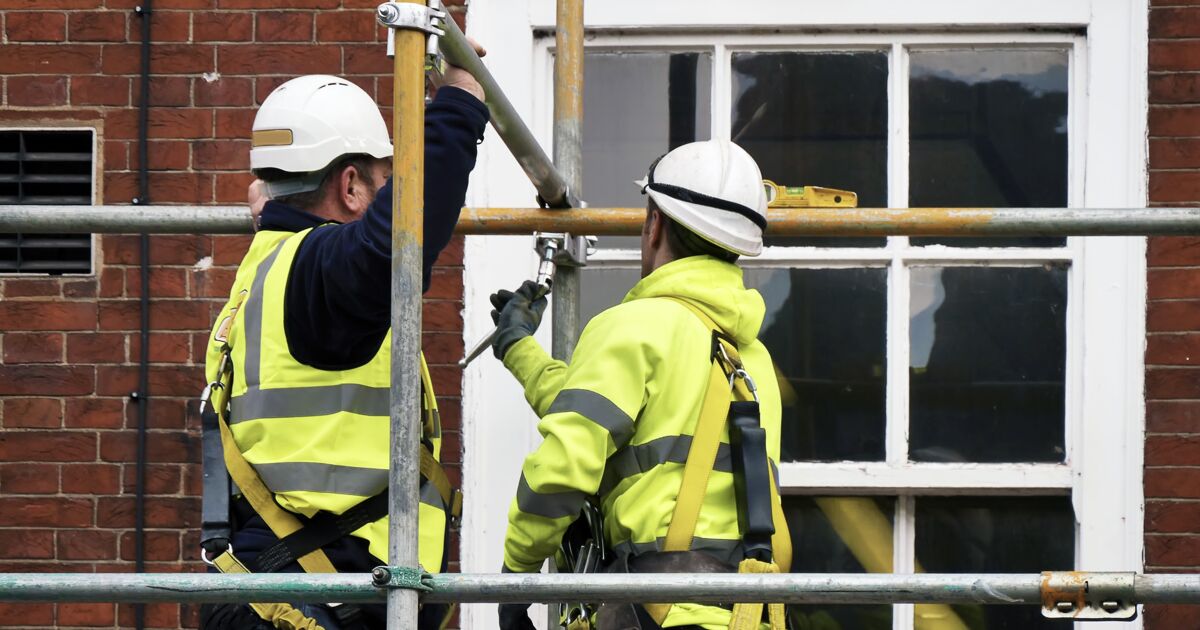

Why Dismantling Is High Risk
Dismantling scaffolding is inherently hazardous because:
Guardrails may be removed early
Platforms are progressively reduced
Structural stability changes continuously
Workers operate at height
Components are manually handled
Unlike completed scaffolds, partial structures can be unstable if dismantled incorrectly.
Legal Requirements in the UK
A dismantling scaffolding risk assessment is required under:
Health and Safety at Work etc. Act 1974
Work at Height Regulations 2005
Construction (Design and Management) Regulations 2015
Employers must:
Identify hazards
Implement control measures
Ensure competent personnel carry out dismantling
Provide supervision and training
Failure to assess risks properly can result in enforcement action.
Who Is Responsible?
Responsibility typically lies with:
The scaffolding contractor
The principal contractor
Site management
Clear allocation of duties should be agreed before dismantling begins.
When Should the Risk Assessment Be Conducted?
A dismantling scaffolding risk assessment must be completed:
Before dismantling begins
After major structural alterations
When site conditions change
If severe weather has affected the scaffold
The assessment must reflect actual site conditions at the time of dismantling.
Key Hazards During Scaffold Dismantling
Falls from Height
As guardrails and boards are removed, fall risk increases.
Control measures include:
Progressive dismantling sequence
Maintaining edge protection as long as possible
Personal fall protection systems
Safe access routes
Falling Objects
Loose tubes, boards, or fittings can fall during dismantling.
Controls include:
Exclusion zones below
Toe boards maintained until necessary removal
Tool lanyards
Controlled lowering of materials
Structural Instability
Removing ties or braces prematurely can destabilise the scaffold.
Controls include:
Following a structured dismantling plan
Removing components in reverse order of erection
Retaining sufficient bracing
Manual Handling Injuries
Scaffold components are heavy and awkward.
Controls include:
Team lifting
Proper manual handling techniques
Mechanical lifting where necessary
Weather Conditions
Wind significantly increases risk during dismantling.
Controls include:
Monitoring wind speeds
Stopping work during high winds
Securing loose materials
Public Safety Risks
If scaffolding is near public areas:
Barriers must remain in place
Warning signage must be visible
Controlled access must be maintained
Public protection is a legal obligation.
Step-by-Step Dismantling Scaffolding Risk Assessment Process
Step 1: Identify the Scaffold Type and Structure
Assess:
Height
Number of lifts
Tie configuration
Proximity to public areas
Step 2: Identify Hazards
Consider:
Fall risks
Falling materials
Structural changes during removal
Environmental conditions
Step 3: Determine Who May Be Harmed
Include:
Scaffolders
Other site workers
Site visitors
Members of the public
Step 4: Evaluate Risk Severity and Likelihood
Assess potential injury severity and likelihood of occurrence.
Step 5: Implement Control Measures
Examples include:
Dismantling in reverse order of erection
Maintaining ties until safe removal
Using advanced guardrail systems
Installing exclusion zones
Providing fall protection equipment
Step 6: Record and Communicate Findings
For companies with five or more employees, written records are required.
Workers must be briefed before dismantling begins.
Step 7: Monitor and Review
If site conditions change, the dismantling scaffolding risk assessment must be updated.
Safe Sequence of Dismantling
Best practice involves:
Removing non-structural components first
Maintaining ties until structure stability is no longer required
Removing braces carefully
Lowering materials safely
Improper sequencing is a major cause of scaffold collapse.
Inspection Before Dismantling
Before dismantling begins:
Inspect the scaffold for damage
Identify loose components
Check ground conditions
Confirm stability
A pre-dismantling inspection reduces unexpected hazards.
Competence and Training
Only trained and competent scaffolders should dismantle scaffolding.
Training should cover:
Safe dismantling procedures
Fall prevention
Manual handling
Emergency response
Competence is a legal requirement.
Emergency Planning
Risk assessments must consider emergency scenarios such as:
Worker fall
Structural failure
Falling object injury
Sudden severe weather
Clear emergency procedures must be in place.
Common Mistakes During Dismantling
Frequent errors include:
Removing ties too early
Skipping fall protection
Ignoring wind conditions
Inadequate exclusion zones
Poor supervision
These mistakes significantly increase accident risk.
Documentation Requirements
A dismantling scaffolding risk assessment should include:
Description of scaffold
Identified hazards
Control measures
Responsible persons
Review date
Proper documentation supports compliance and accountability.
Domestic vs Commercial Projects
Even on domestic properties, dismantling risks remain significant.
While paperwork may be simplified for small jobs, safety principles are identical.
Commercial projects often require more formal documentation and coordination.
Final Thoughts on Dismantling Scaffolding Risk Assessment in the UK
A dismantling scaffolding risk assessment is not a formality. It is a critical safety tool that protects workers, the public, and businesses. Scaffold dismantling presents dynamic hazards as structural stability changes throughout the process.
By identifying hazards, implementing control measures, ensuring competent supervision, and following a structured dismantling sequence, risks can be reduced significantly. In the UK construction industry, proper planning and compliance with working-at-height regulations are essential for safe scaffold strike operations.


